The Tapestry of Ancestral Wisdom
Explore the foundational currents of human thought. This directory serves as a scholarly preservation of lineages that have shaped consciousness for millennia.
Buddhist

Buddhist
Bön
The indigenous contemplative tradition of Tibet, predating the arrival of Buddhism and later codified as Yungdrung ("Eternal") Bön — a complete path that parallels Tibetan Buddhism and holds its own Dzogchen and Chöd lineages.
Explore Archive →

Buddhist
Chan Buddhism
The Chinese school of meditation Buddhism that synthesized Indian Mahayana teachings with Taoist sensibility, later transmitted to Japan as Zen.
Explore Archive →

Buddhist
Dzogchen
The "Great Perfection" — the highest teaching in the Nyingma school of Tibetan Buddhism, pointing directly to the nature of mind as already pure and awake.
Explore Archive →
Buddhist
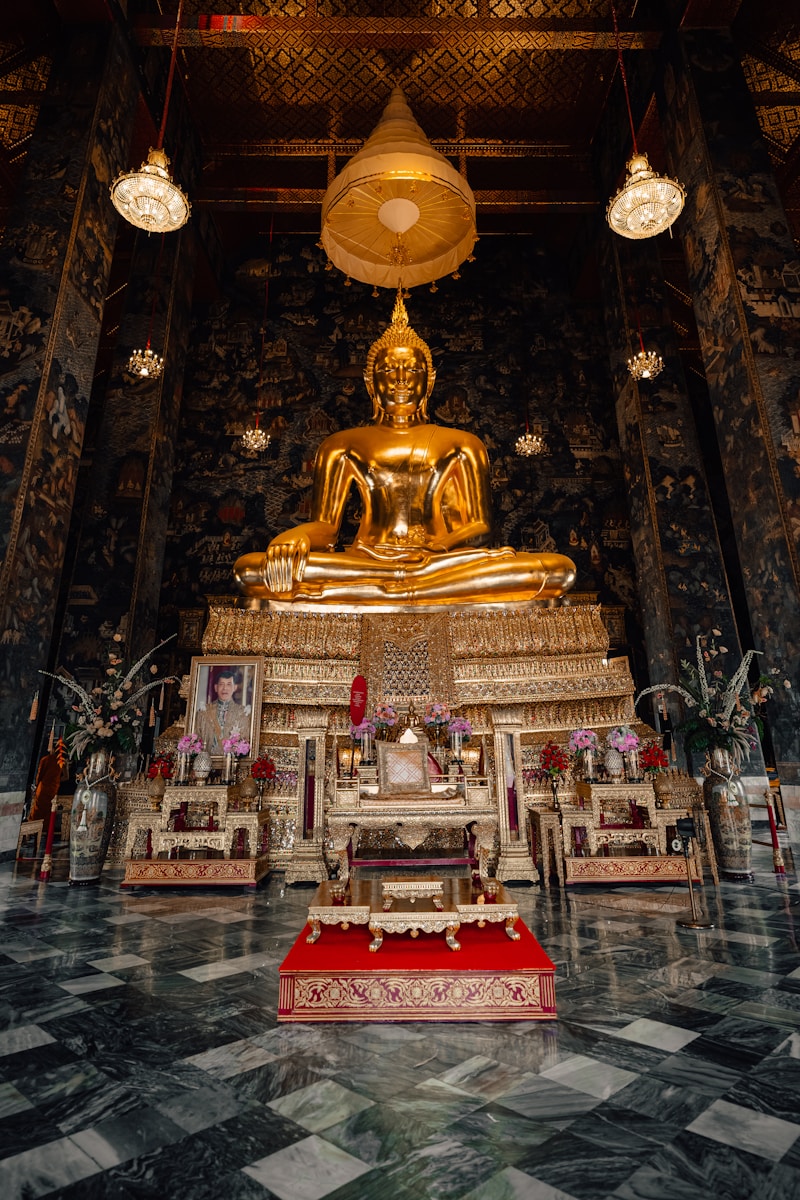
Early Buddhism
The original teachings of Siddhartha Gautama (the Buddha), preserved in the earliest strata of the Pali and Agama texts — the common root of all Buddhist traditions.
Explore Archive →
Buddhist
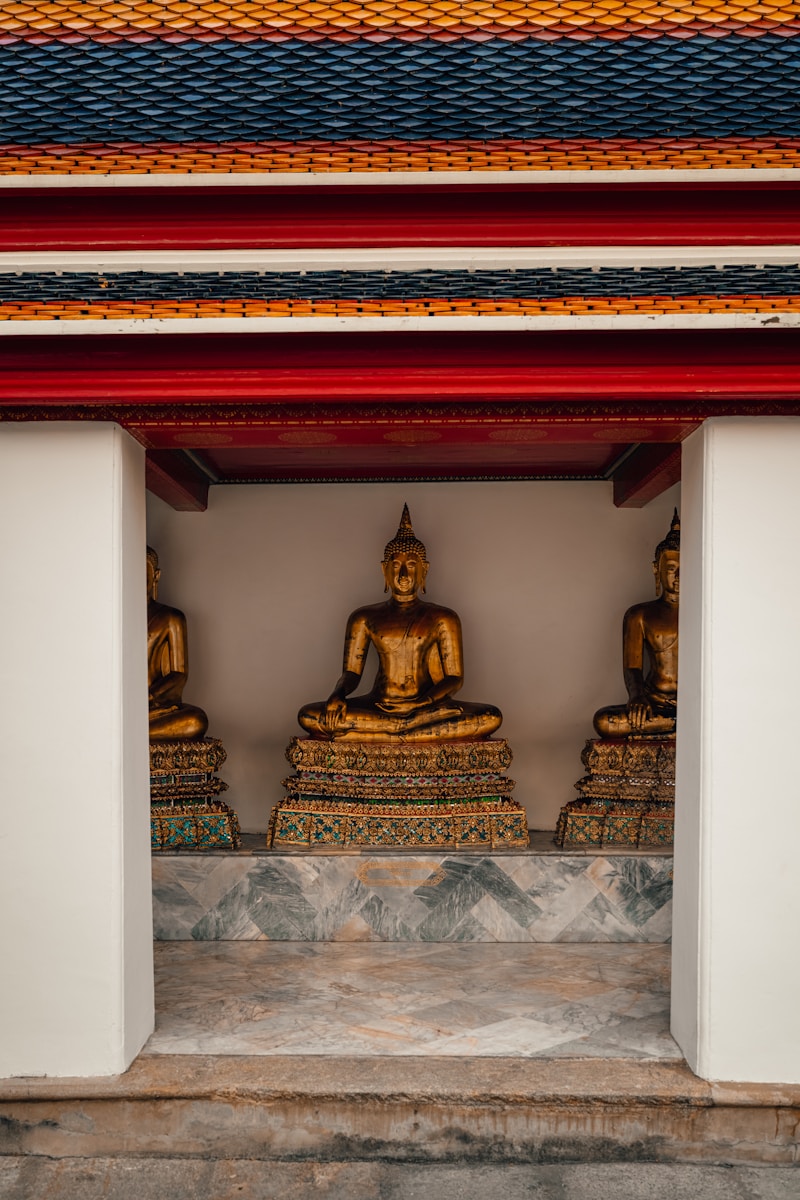
Mahayana Buddhism
The "Great Vehicle" — a broad movement emphasizing universal liberation and the bodhisattva path.
Explore Archive →
Buddhist
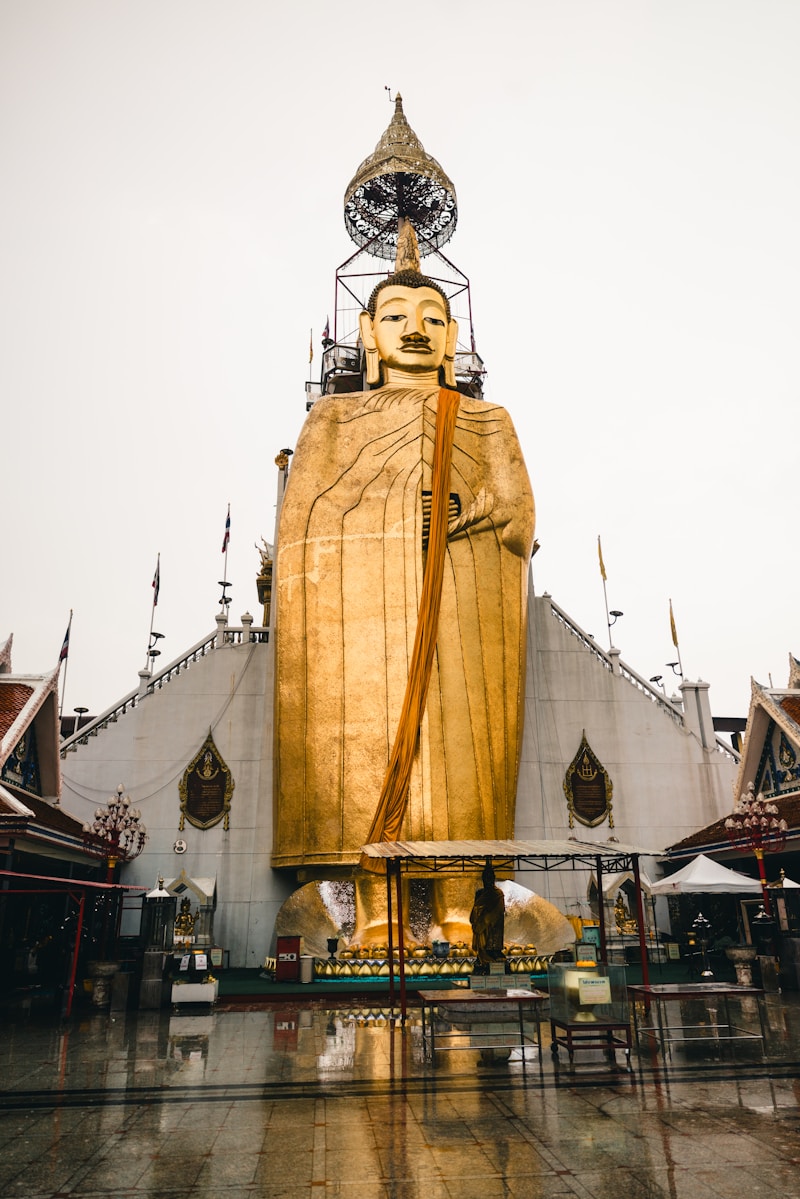
Theravada Buddhism
The "Way of the Elders" — the oldest surviving Buddhist school, preserving the original Pali canon teachings and emphasizing mindfulness and insight meditation.
Explore Archive →
Buddhist
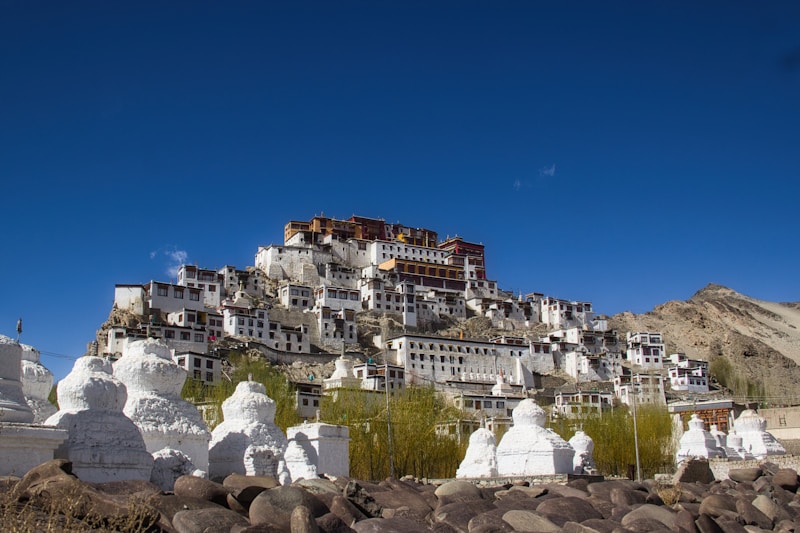
Tibetan Buddhism (Gelug)
The "Virtuous" school of Tibetan Buddhism founded by Tsongkhapa, emphasizing monastic discipline, analytical meditation, and the graduated path to enlightenment.
Explore Archive →

Buddhist
Tibetan Buddhism (Kagyu)
The "Oral Lineage" school of Tibetan Buddhism, emphasizing direct transmission from master to student and the practice of Mahamudra — the direct recognition of the nature of mind.
Explore Archive →

Buddhist
Tibetan Buddhism (Nyingma)
The "Ancient" school of Tibetan Buddhism — the oldest of the four schools, preserving the original tantric transmissions brought from India by Padmasambhava and holding Dzogchen as its summit teaching.
Explore Archive →
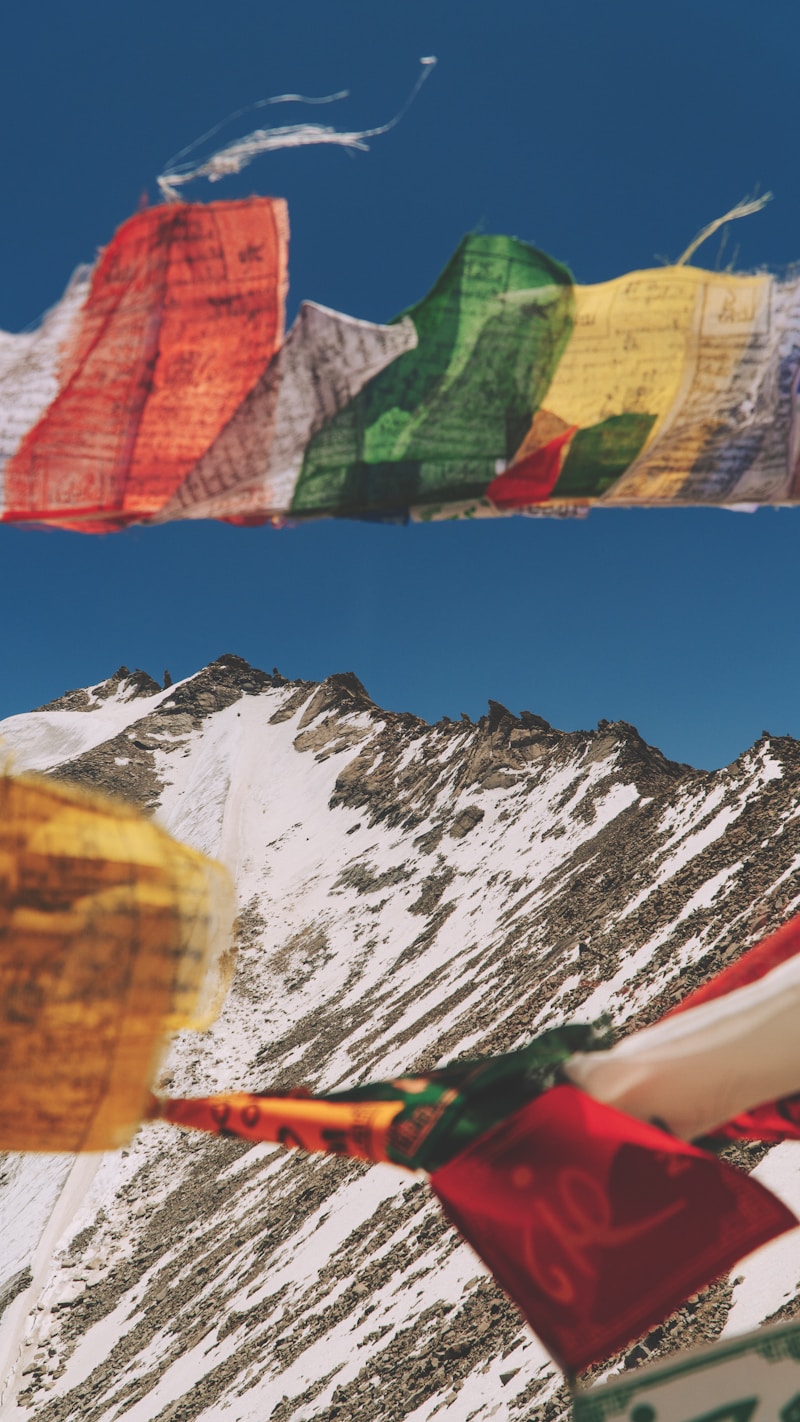
Buddhist
Vajrayana Buddhism
The "Diamond Vehicle" — tantric Buddhism using visualization, mantra, and ritual to accelerate awakening.
Explore Archive →
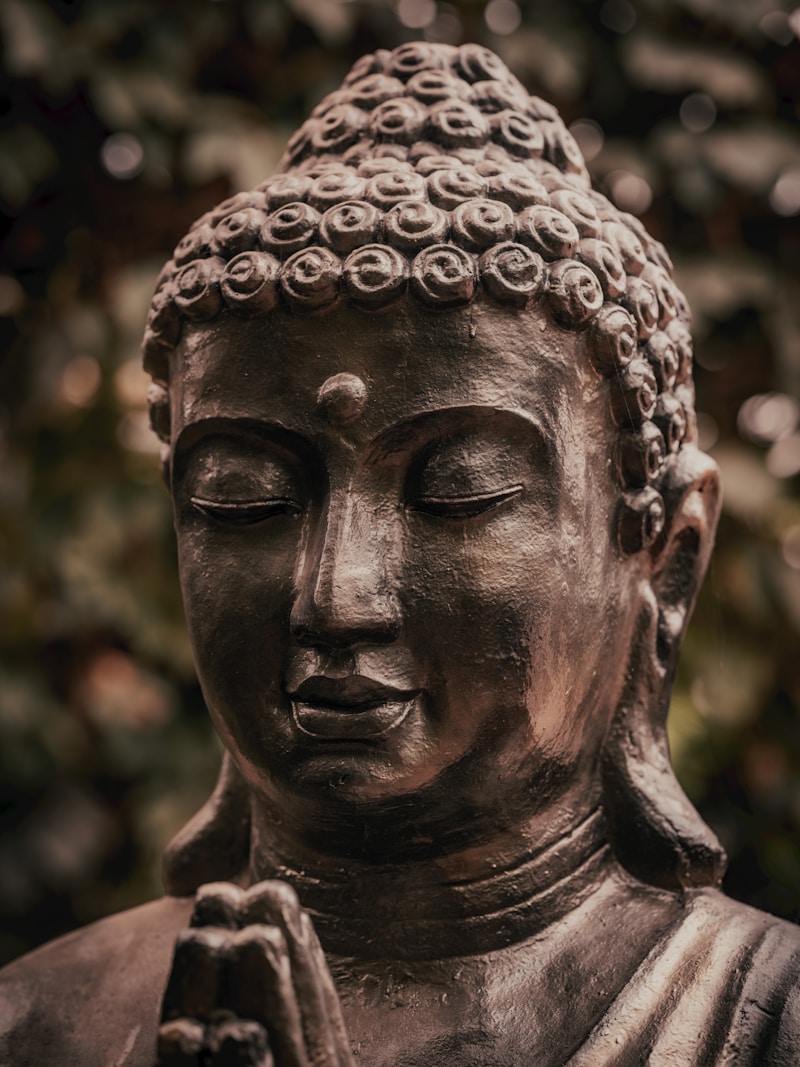
Buddhist
Vipassana Movement
The modern revival of insight meditation rooted in Burmese Theravada Buddhism, emphasizing direct mindfulness practice accessible to laypeople.
Explore Archive →
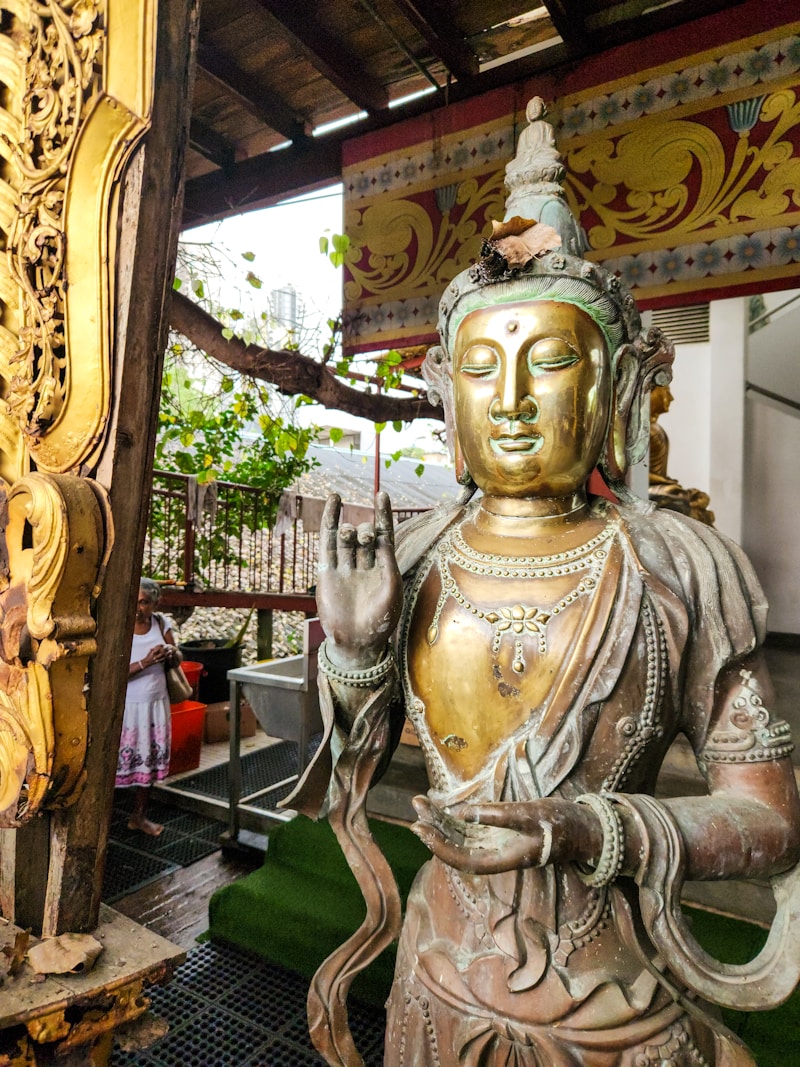
Buddhist
Zen
A school of Mahayana Buddhism emphasizing meditation (zazen) and direct insight into one's true nature, transmitted from teacher to student.
Explore Archive →
Vedic-Yogic
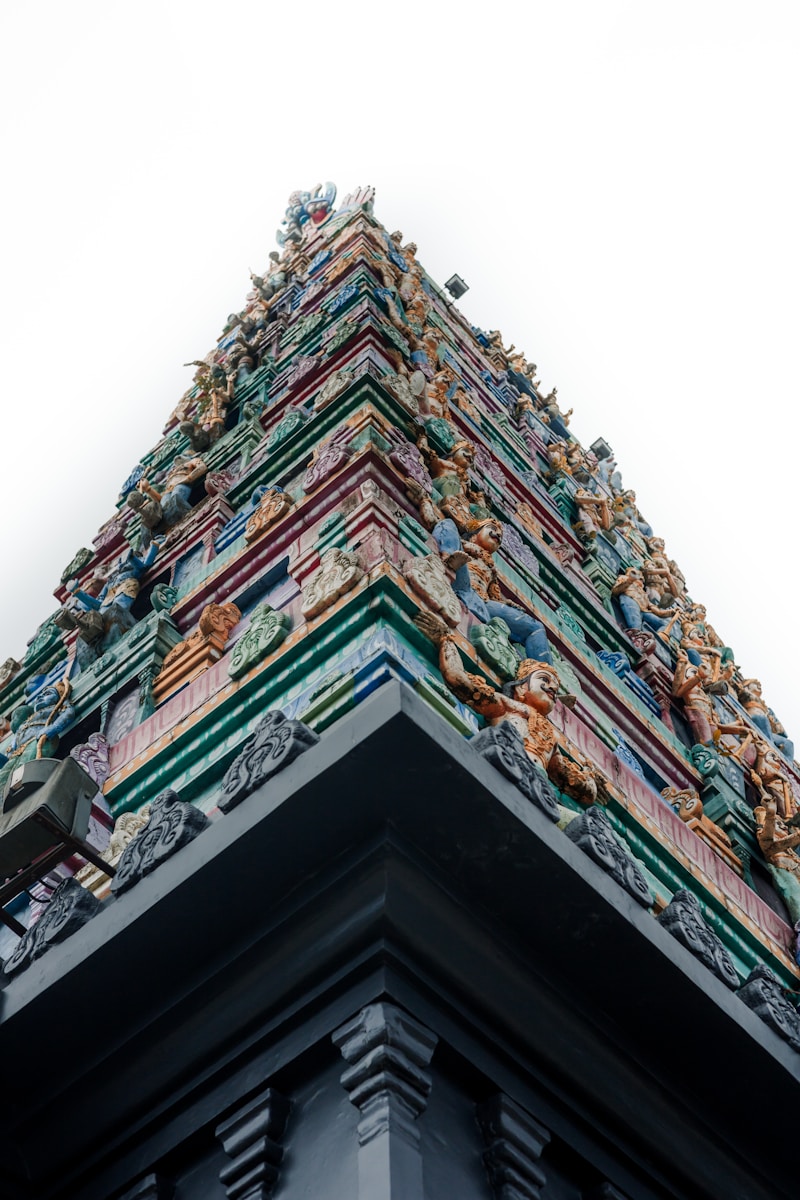
Vedic-Yogic
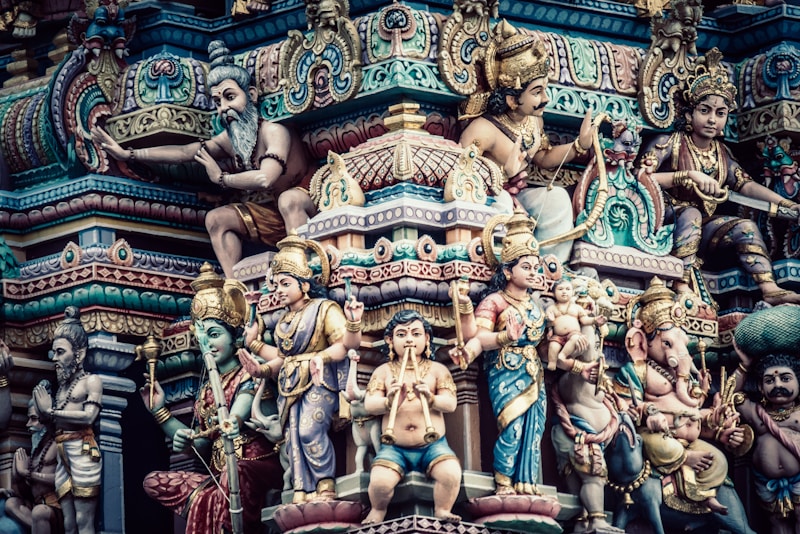
Advaita Vedanta
The "non-dual" school of Hindu philosophy teaching that the individual self (Atman) and ultimate reality (Brahman) are one and the same.
Explore Archive →
Vedic-Yogic
Bhakti
The devotional path of Hinduism emphasizing love, surrender, and personal relationship with the divine as the primary means of spiritual realization.
Explore Archive →

Vedic-Yogic
Classical Yoga (Patanjali)
The systematic path of meditation and self-discipline codified by Patanjali in the Yoga Sutras, outlining eight limbs from ethical conduct to meditative absorption.
Explore Archive →
Vedic-Yogic
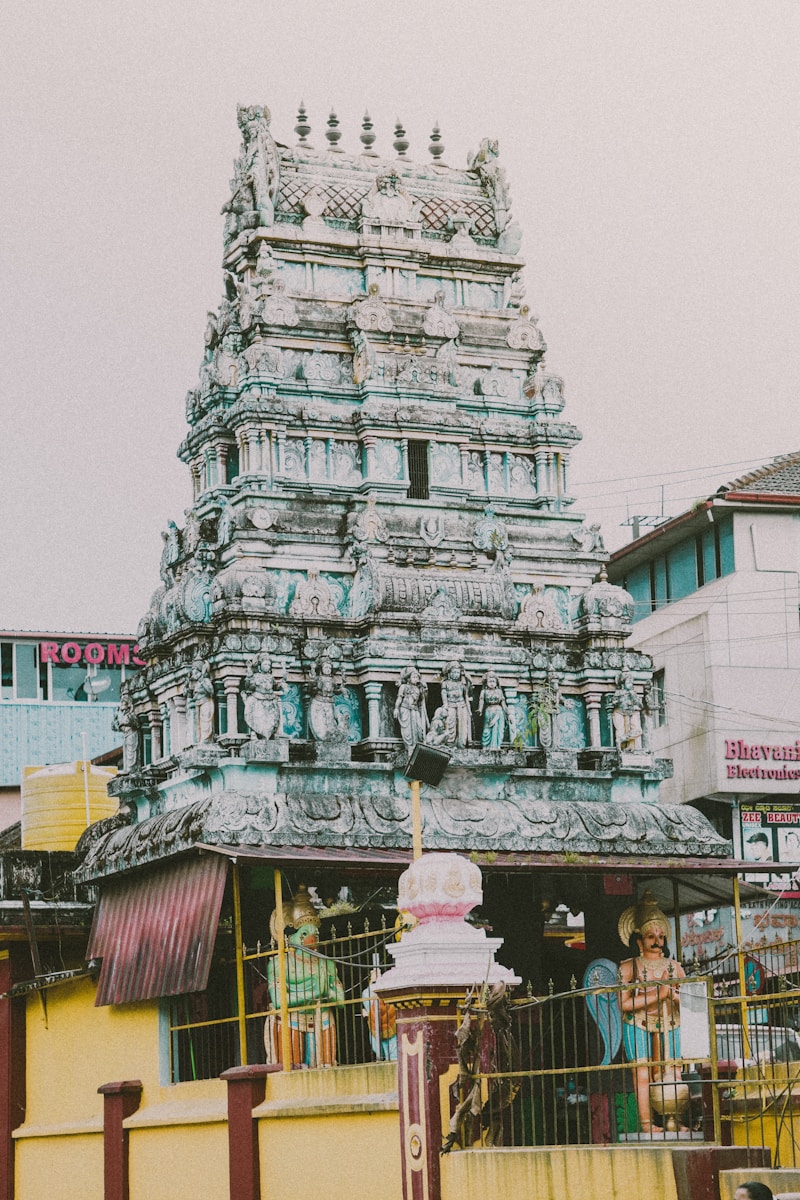
Kashmir Shaivism
A non-dual tantric tradition from medieval Kashmir teaching that all of reality is the creative expression of a single divine consciousness (Shiva).
Explore Archive →
Vedic-Yogic
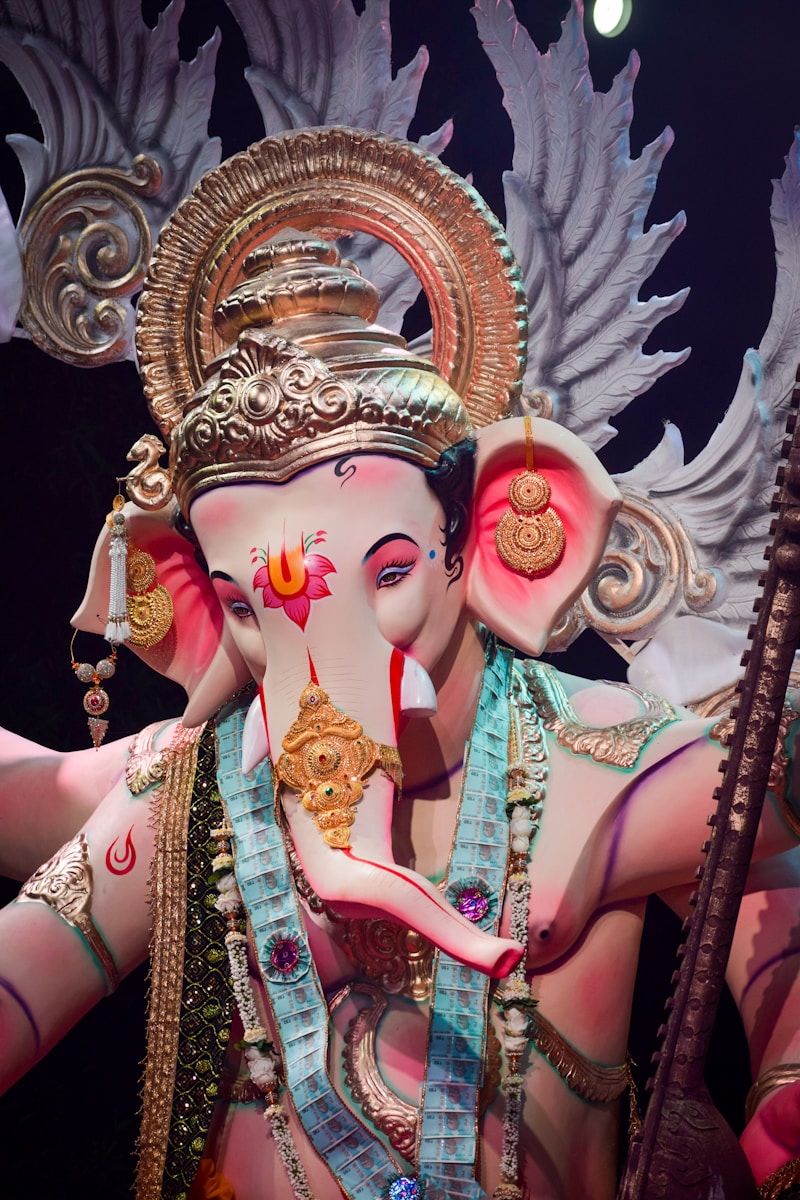
Tantra
A broad family of esoteric traditions using ritual, embodiment, and the transformation of ordinary experience as paths to liberation.
Explore Archive →
Vedic-Yogic
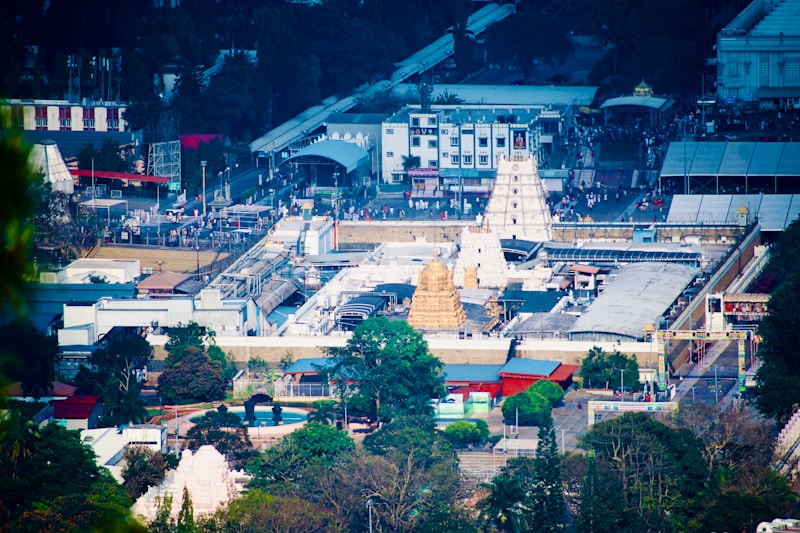
Vedanta
The philosophical tradition interpreting the Upanishads — exploring the nature of Brahman and the self.
Explore Archive →
Taoist
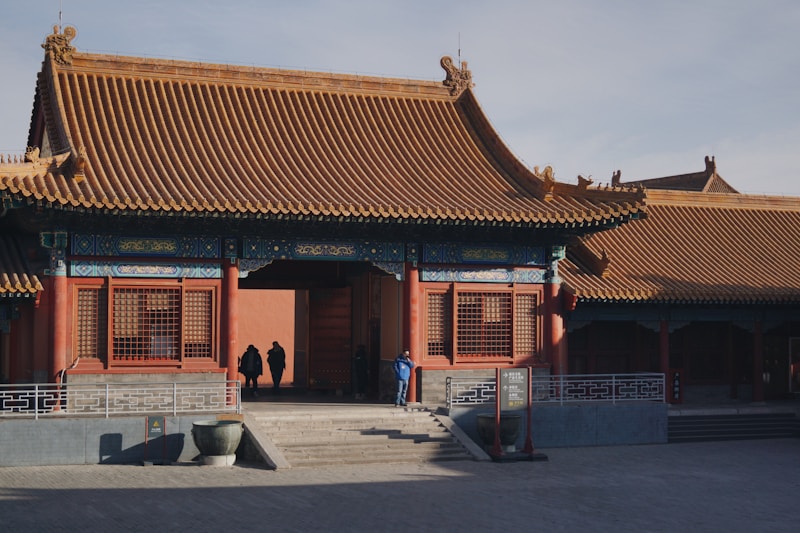
Taoist
Tai Chi/Qigong
Embodied contemplative practices rooted in Taoist philosophy, using slow movement, breath, and awareness to cultivate vital energy and harmony.
Explore Archive →
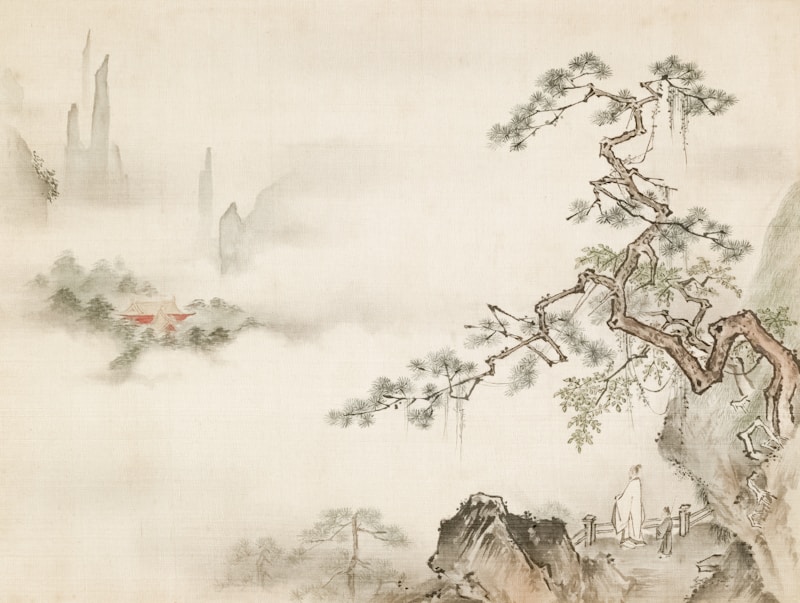
Taoist
Taoism
An ancient Chinese philosophical and contemplative tradition rooted in harmony with the Tao — the nameless, formless source and pattern of all things.
Explore Archive →
Christian Contemplative
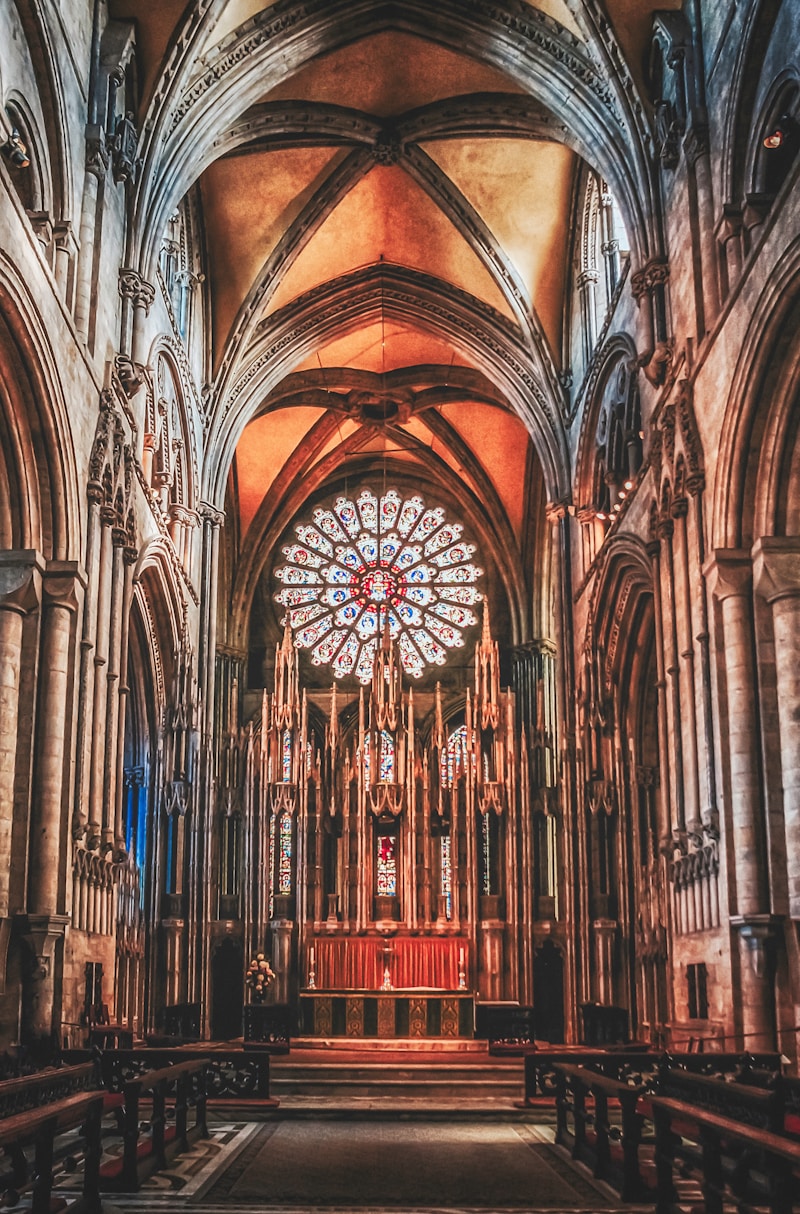
Christian Contemplative
Christian Mysticism
The contemplative stream within Christianity emphasizing direct experiential knowledge of God through prayer, silence, and inner transformation.
Explore Archive →
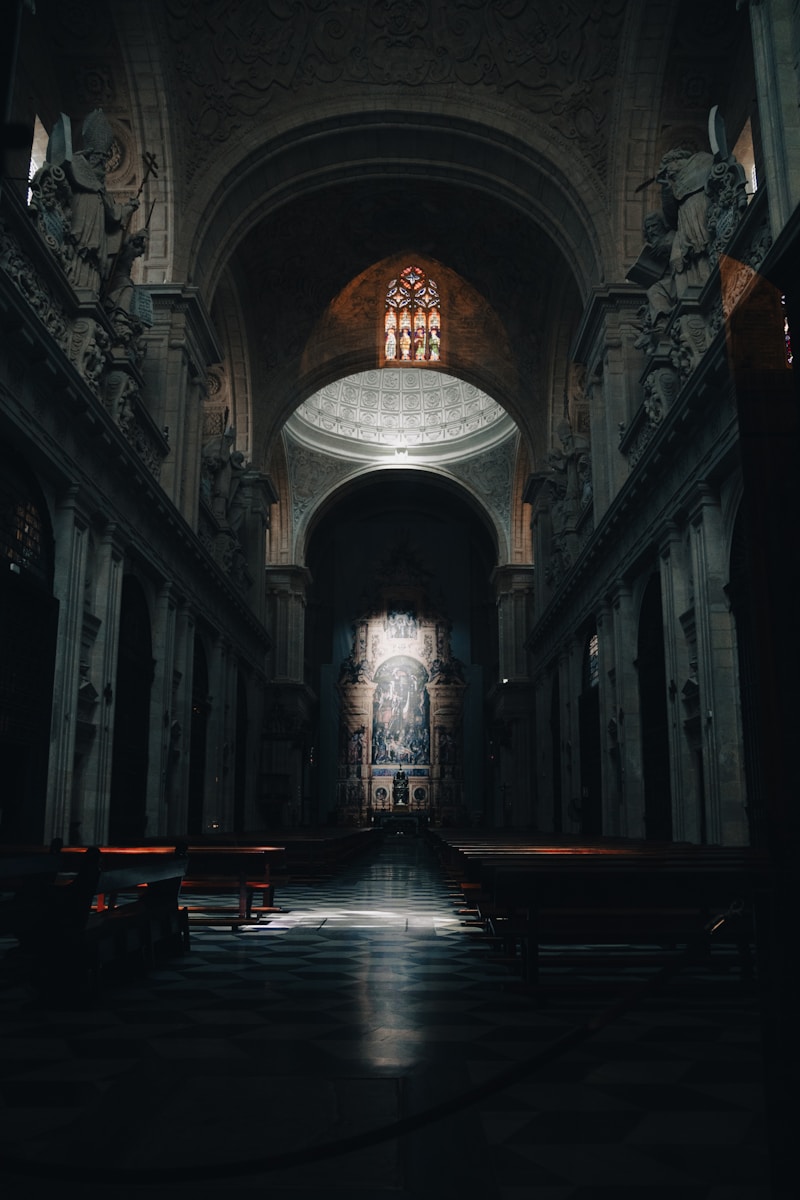
Christian Contemplative
Hesychasm
The Eastern Orthodox contemplative tradition of inner stillness centered on the Jesus Prayer and continuous prayer of the heart.
Explore Archive →

Christian Contemplative
Quaker Inner Light
The Religious Society of Friends' contemplative tradition centered on silent worship and the belief that divine light is present within every person.
Explore Archive →
Islamic Contemplative
Modern Secular

Modern Secular
Modern Non-Dual
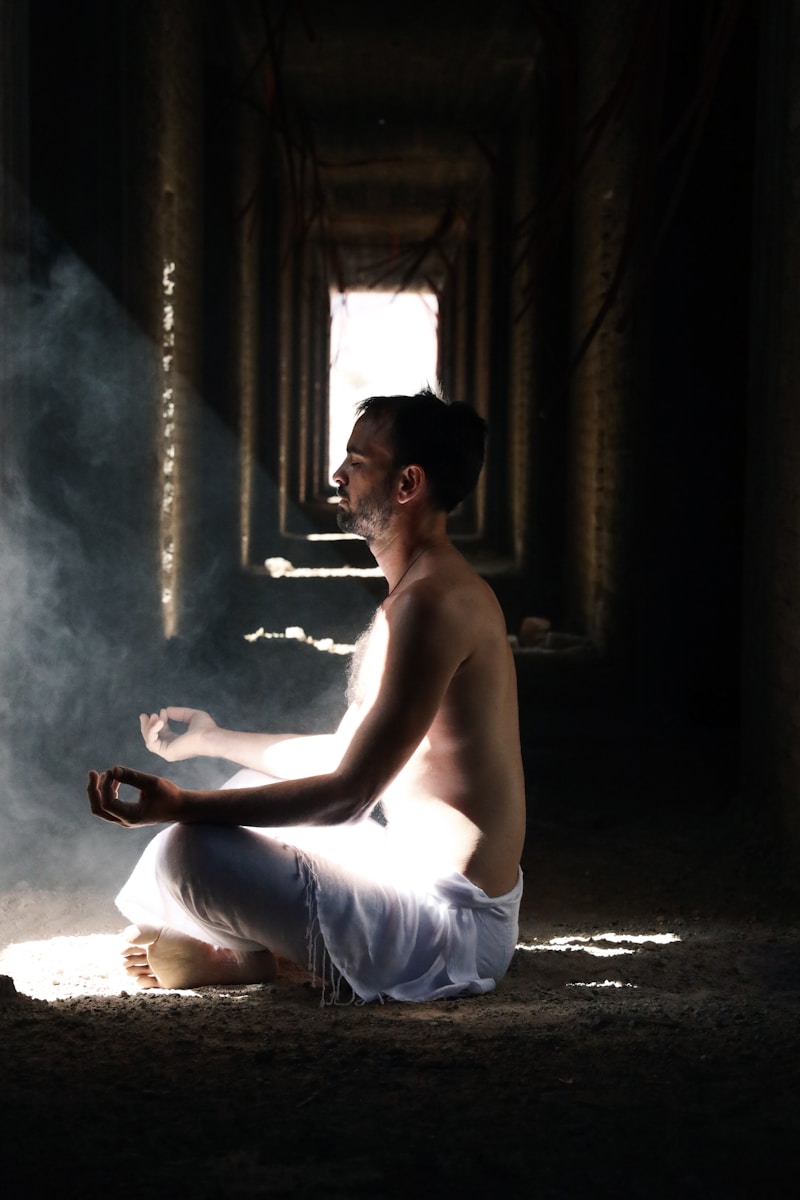
A contemporary contemplative movement drawing on Advaita Vedanta and other non-dual traditions, emphasizing direct recognition of awareness as one's true nature.
Explore Archive →
Modern Secular
Secular Mindfulness (MBSR)
The adaptation of Buddhist mindfulness practices for clinical and secular contexts, pioneered by Jon Kabat-Zinn's Mindfulness-Based Stress Reduction program.
Explore Archive →
Other

Other
Gnosticism
An ancient family of spiritual traditions emphasizing direct experiential knowledge (gnosis) of the divine as the path to liberation from the material world.
Explore Archive →
Other
Jainism
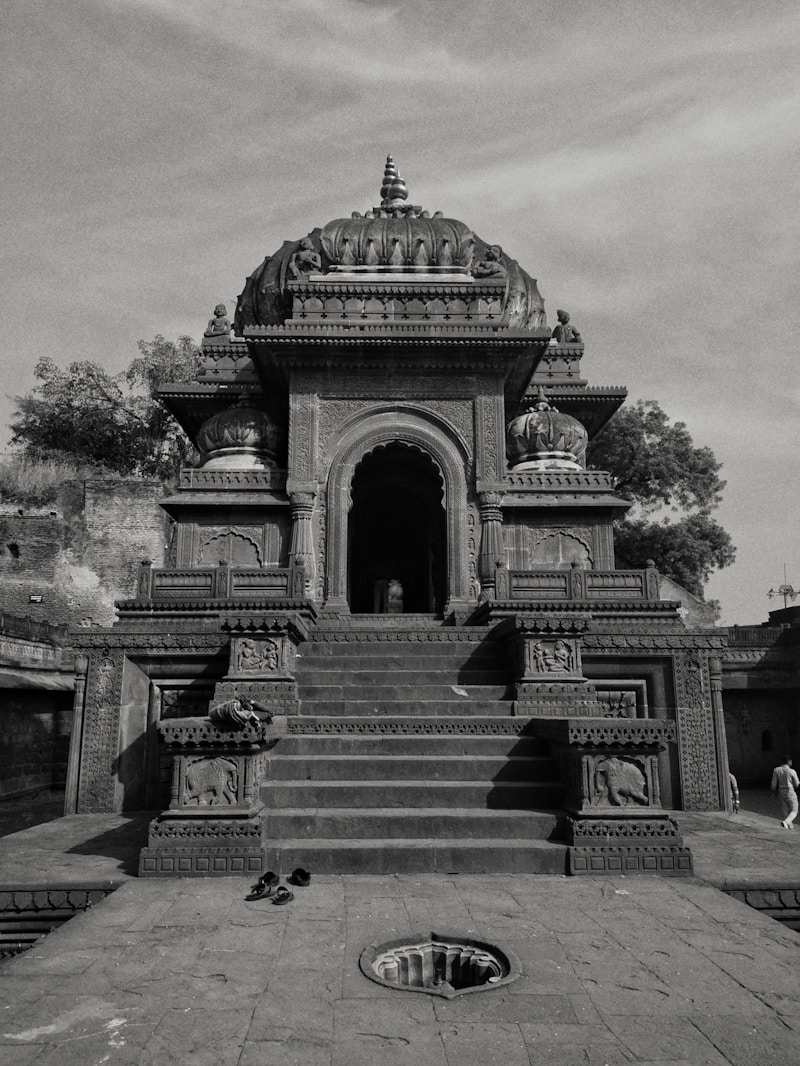
One of the world's oldest contemplative traditions, emphasizing radical non-violence (ahimsa), ascetic discipline, and the liberation of the soul through self-purification.
Explore Archive →
Other
Kabbalah
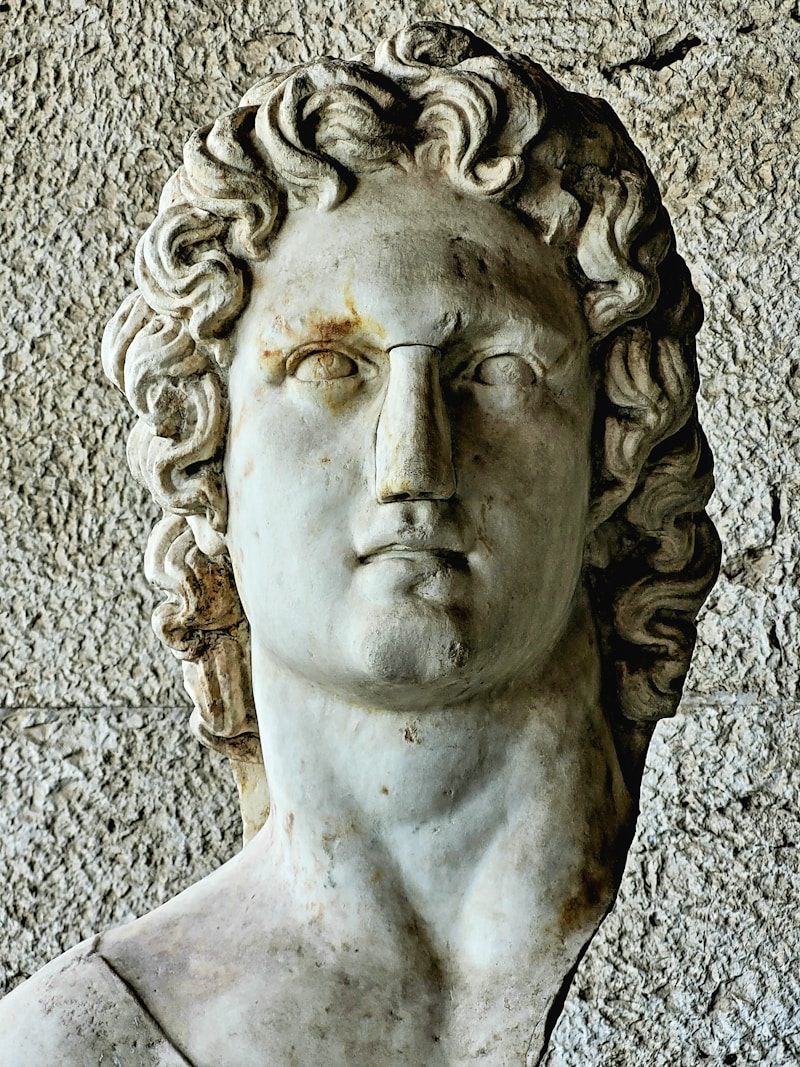
The mystical tradition of Judaism exploring the hidden dimensions of Torah, the structure of divine emanation, and the soul's journey toward union with God.
Explore Archive →

Other
Neoplatonism
A philosophical and contemplative tradition built on Plotinus's vision of reality emanating from the One.
Explore Archive →